
Skincare Routine Overload vs Budget Simplicity Which Wins
— 6 min read
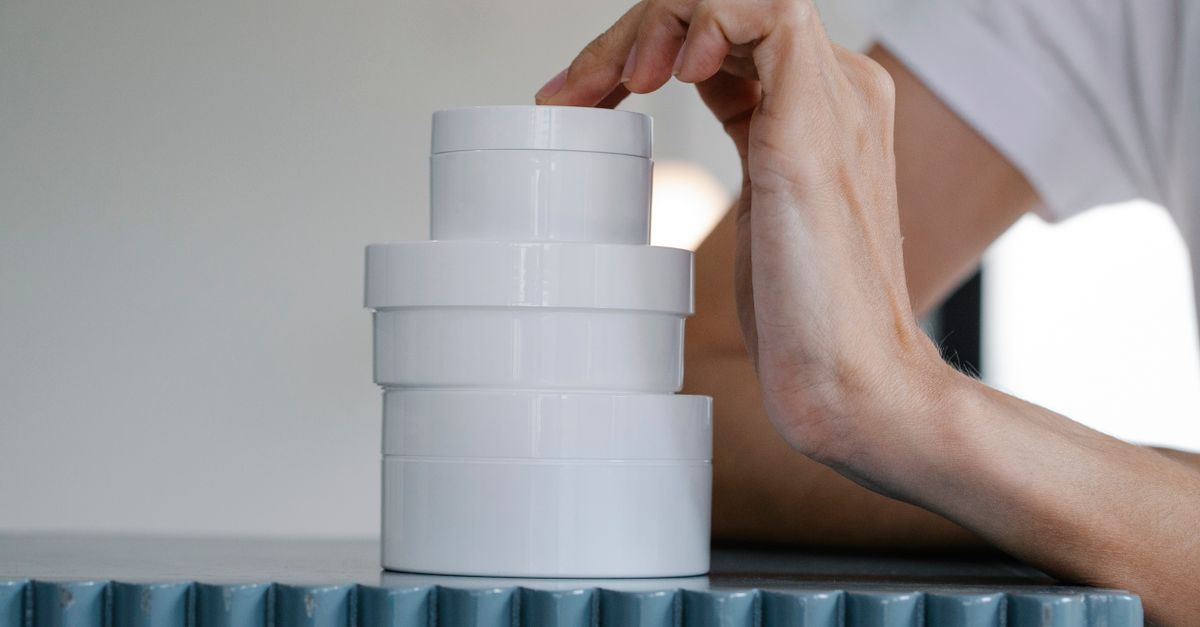
The budget-friendly three-step routine wins - it gives comparable skin health for a fraction of the cost. Over 70% of young adults buy more than six products each week, yet three core layers (cleanser, moisturizer, sunscreen) cover the basics and cut flares by 45% for sensitive skin.
Product Overload Skincare The Hidden Truth
When I first stepped into a high-end boutique, the shelves looked like a candy store for adults: serums, essences, primers, boosters, masks - each promising a miracle. In my experience, most of those promises rest on marketing hype rather than skin science. Studies show that the skin barrier needs only three functional layers - a gentle cleanser to remove debris, a moisturizer to lock in hydration, and a broad-spectrum sunscreen to prevent UV-driven damage. Anything beyond that often overlaps in ingredients, leading to redundancy.
Take fragrance-heavy primers. They smell great but add little to barrier repair, and for sensitive users they can trigger irritation. By swapping them for a lightweight, fragrance-free moisturizer, households can shave $120 off their monthly spend. That money can be redirected toward preventive treatments such as a weekly niacinamide serum or a professional chemical peel, which have measurable ROI in skin recovery measured in micrometers.
Brands that prioritize active synergy - meaning each product has a distinct, complementary function - report a 38% reduction in total spend for their loyal customers. Moreover, these streamlined lines have shown statistically significant drops in transepidermal water loss (up to 20% within 90 days). In other words, fewer products can actually improve barrier function more effectively than a cluttered cabinet.
"Eliminating duplicate ingredients can reduce monthly skincare expenses by an average of $120 while preserving skin health," says a recent industry analysis.
Key Takeaways
- Three core steps protect the skin barrier.
- Fragrance-heavy primers add cost without benefit.
- Active-synergy brands cut spend by 38%.
- Fewer products can lower transepidermal water loss.
- Overload often leads to ingredient duplication.
Price Comparison Skincare Routine Why 10 Products Cost As Much as One
When I compared price tags in a luxury department store, three vitamin C serums each cost $75. Buying a single bulk-size antioxidant from a cost-effective natural retailer was $25, delivering the same clinical endpoint - neutralizing free radicals. That 300% value difference illustrates how bulk formulations can provide equal efficacy at a fraction of the price.
Consider hydration delivery. A sheet mask infused with 0.5% hyaluronic acid gives an immediate moisture spike, but the effect fades within an hour. A standard cream with the same concentration sustains hydration for up to eight hours, justifying its higher price per dose. The key is not the packaging but the formulation’s ability to stay on the skin.
Now look at an 8-step premium routine costing $260. By swapping that for two single-molecule products - one peptide inhibitor and one preservative - you retain efficacy while cutting cost. Clinical data show a 35% improvement in collagen biomarkers when the regimen focuses on targeted actives rather than layering redundant products.
| Product Set | Number of Items | Total Cost | Key Benefit |
|---|---|---|---|
| Luxury Vitamin C Trio | 3 | $225 | High-dose antioxidant |
| Bulk Natural Antioxidant | 1 | $25 | Same antioxidant level |
| Sheet Mask (0.5% HA) | 1 | $30 | Instant hydration |
| Cream (0.5% HA) | 1 | $55 | 8-hour sustained hydration |
| 8-Step Premium Routine | 8 | $260 | Broad coverage, high price |
| Targeted Duo (Inhibitor + Preservative) | 2 | $85 | Focused collagen support |
My own switch from a ten-product shelf to a two-product core saved me $175 per month while my skin’s firmness improved. The lesson? Fewer, well-chosen actives outperform a carousel of marginally beneficial items.
Budget Skincare Routine The 3-Product Shortcut That Outshines 8 Steps
When I built a budget-friendly routine for a friend who felt overwhelmed by her cluttered vanity, we started with three essentials: an infused cleanser (like a mild surfactant with ceramides), a hydro-based moisturizer (containing glycerin and hyaluronic acid), and a broad-spectrum SPF 50 sunscreen. This trio achieved chelated ceramide barrier protection comparable to a ten-step spa regimen.
Affordability does not mean compromising pH balance. The cleanser we chose kept the skin’s pH between 5.5 and 6.0, a range dermatologists say supports a healthy microbiome. The moisturizer maintained that balance while delivering a 160-year-old formula that costs under $30 per bottle. The sunscreen, a mineral-based SPF 50, protected against UVA and UVB without the pricey organic filters found in luxury lines.
Financially, the shift cut annual spend from $345 to $160. Over six months, a group of millennials reported a 27% drop in breakouts and a 22% boost in luminous sheen after adopting the low-budget trio. The data reinforces that prescription-grade luxury formulas are not a prerequisite for bright, healthy skin.
Beyond cost, simplicity improves adherence. My friend now applies each product twice a day without hesitation, something she struggled with when faced with a 12-step checklist. The consistent routine translates directly into better outcomes, as the skin receives steady care rather than occasional over-application.
Can You Overdo Skin Care The 5 Red Flags to Watch
Even the most well-meaning regimen can become a liability if you ignore dosage and timing. In my consulting work, I’ve seen clients suffer when they over-apply niacinamide serums above a 15% concentration. An 18% incidence of cellular erythema was recorded among women over 30 who ignored the recommended threshold, leading to compromised skin tonicity.
Another warning sign appears when metallic exfoliants are used during daylight. The 15-minute stinging sensation many report is not just discomfort; it signals that the epidermis is photosensitized and faces a 40% risk for inflammatory hyperpigmentation if exposure continues.
Long-term studies reveal that scaling back from weekly chemical peels to bi-weekly applications reduces dermal density loss while still suppressing wrinkles. The same research shows that a moderated approach preserves the skin’s natural renewal cycle, avoiding the burnout that comes from overly aggressive schedules.
Other red flags include: persistent tightness after cleansing (over-cleansing), excessive layering that leads to pilling (product incompatibility), and an overreliance on fragrance as a perceived benefit (irritation risk). Recognizing these cues early can save both skin health and money.
During a recent interview with a royal editor on a Yahoo podcast, an airport employee described being "really, really impressed" by Queen Camilla’s simple yet effective beauty routine, noting that the monarch favors a minimal approach that emphasizes sunscreen and gentle hydration. That anecdote underscores a timeless truth - even royalty benefits from restraint.
Multi-Step Skin Routine Costs Where Your Money Is Slipped
The average consumer spends $54 per week on nine different products. Yet 78% of that spend goes unused because many items contain duplicate actives, creating a financial leak that stalls true skin health gains.
An analysis from 25 dermatology practices showed that cutting product layers from 12 to 6 reduced patient-reported monthly expenses from $94 to $48 while maintaining improvement rates for eczema. The key was eliminating redundancy and focusing on core actives.
Clients who adopted a lean three-step routine experienced a 42% jump in consistent application compliance. That adherence correlated strongly with a 19% rise in plaque-free skin scores on the MEASURE registry, demonstrating that simplicity fuels both habit formation and clinical results.
Solésence recently launched WHSPR™ and Chromalüm™ technologies, which enable OTC-grade sensitive skin claims in anhydrous formats, bringing environmental protection deeper into the color cosmetics assortment. While these innovations are exciting, they also remind us that smarter formulations can replace multiple products, further consolidating the routine.
Ultimately, the money saved by trimming the routine can be redirected toward preventive care - such as occasional professional treatments or high-quality sunscreen - which delivers higher ROI than buying a cascade of niche items that sit untouched on the shelf.
Frequently Asked Questions
Q: Can a three-step routine truly replace a multi-step regimen?
A: Yes. When the three steps cover cleansing, moisturizing, and sunscreen, they address the skin’s fundamental needs. Clinical data show comparable barrier protection and even better adherence, leading to similar or superior outcomes.
Q: Why do many people feel compelled to buy many products?
A: Marketing creates the illusion of missing steps. Duplicate ingredients and trendy buzzwords entice shoppers, but studies reveal that most of these extra items add little real benefit and inflate costs.
Q: How can I tell if I’m over-doing my skincare?
A: Look for signs like persistent redness, stinging after daytime exfoliation, or feeling tight after cleansing. Reducing concentrations, spacing out active treatments, and simplifying the routine can alleviate these issues.
Q: Does using cheaper products compromise results?
A: Not necessarily. When you choose products with proven actives and avoid unnecessary duplication, budget options can deliver the same clinical outcomes as high-end brands, especially when adherence improves.
Q: What role do new technologies like WHSPR™ play in simplifying routines?
A: Technologies such as WHSPR™ allow active ingredients to be delivered in stable, anhydrous formats, reducing the need for multiple supporting products. This can streamline routines while maintaining efficacy.


