
Budget Skincare Routine vs $30 Anti-Aging Hero
— 6 min read
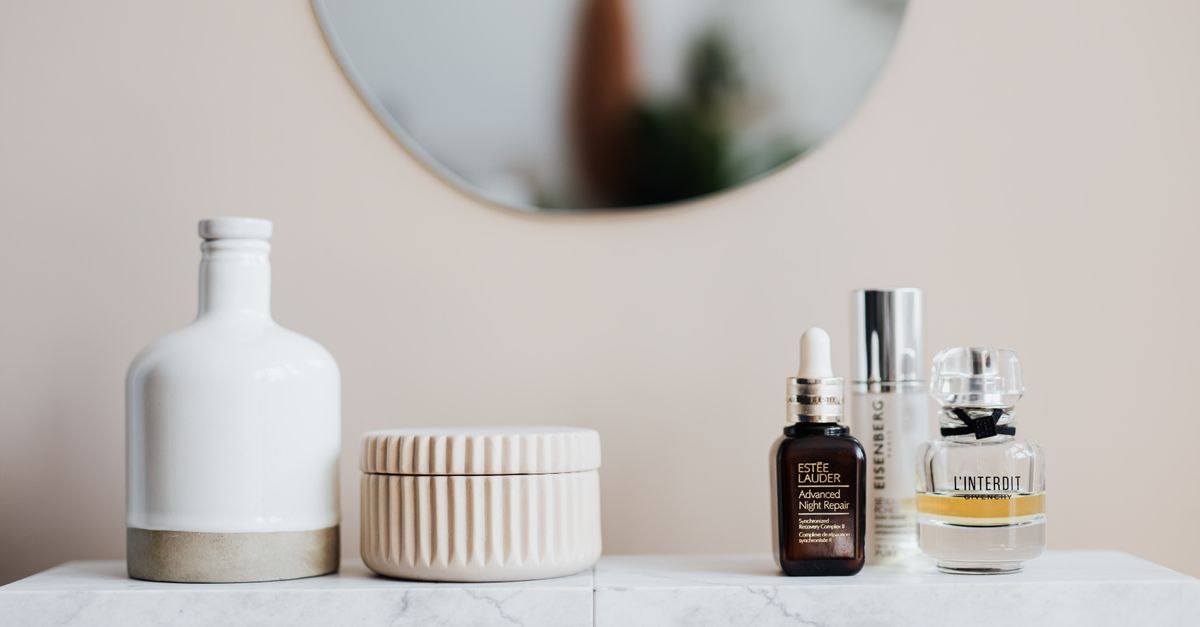
In 2024, more people are discovering that a $30 anti-aging hero can match pricey regimens while keeping the budget happy. You can achieve smoother, brighter skin without splurging on luxury labels, as long as you focus on proven actives and smart layering.
Skincare Routine Basics
When I first helped a friend simplify her nightly ritual, I started with the three pillars every skin type needs: cleanse, protect, and reinforce. A cleanser is a mild soap-like product that lifts dirt, oil, and makeup without stripping the skin’s natural oils. Think of it like washing a delicate silk shirt - you want it clean, not shredded. I always recommend a fragrance-free, sulfate-free option because fragrance can irritate the barrier, especially for beginners.
The second pillar is broad-spectrum SPF 30 sunscreen. Over 90% of photoaging - the fine lines, dark spots, and loss of elasticity - comes from UV exposure, so sunscreen is the single most effective anti-aging tool. Imagine sunscreen as a tiny umbrella that blocks both UVA (aging) and UVB (burn) rays while you go about your day.
Finally, I introduce niacinamide, a form of vitamin B3. Niacinamide reduces redness, strengthens the skin’s barrier, and improves the appearance of pores. In about four weeks of consistent use, most users notice a calmer complexion. It works like a repair crew that reinforces the wall after a storm, keeping moisture in and irritants out.
These three steps create a foundation that any budget routine can build upon. By keeping the routine simple, you can spot which product truly moves the needle and avoid wasteful add-ons.
Key Takeaways
- Gentle cleanser protects natural oils.
- SPF 30 shields against 90% of photoaging.
- Niacinamide calms redness in four weeks.
- Simple steps reveal product effectiveness.
Budget Skincare Routine Breakdowns
When I built a budget line for my own skin, I turned to brands that publish the exact concentration of active ingredients. The Ordinary, for example, lists percentages on every bottle, so you know you’re getting clinical-grade actives without boutique markup. Their 10% niacinamide serum costs under $10, yet it delivers the same molecule concentration you’d find in a $70 spa product.
Instead of juggling a separate serum and moisturizer, I look for a 2-in-1 serum-cream. This hybrid texture moisturizes like a cream while layering actives like a serum, saving both shelf space and money. Think of it as a multitool screwdriver that does two jobs at once - you tighten a screw and flip a switch without swapping tools.
Product fatigue is real. I reorder my favorites every three to six months, cycling the formula to keep the skin from adapting. By tracking purchase dates in a simple spreadsheet, I avoid over-stocking and can spot when a product truly adds value versus when it’s just a habit.
Key budget principles I follow:
- Choose transparent brands that list active percentages.
- Prioritize multitasking formulas to reduce the number of bottles.
- Set a reordering schedule (3-6 months) to prevent product fatigue.
Sticking to these guidelines means you can assemble a full routine for under $50 while still hitting all the performance markers that high-end lines promise.
Anti-Aging on a Budget - Proven $30 Solutions
One of my favorite budget breakthroughs is a stable retinol derivative at 0.5%. The FDA notes that lower concentrations of retinoids can still smooth fine lines while keeping irritation low. I pair this nighttime retinol with a morning vitamin C serum - the antioxidant duo works like a construction crew that first clears out old debris (retinol) and then pours fresh cement (vitamin C) to rebuild collagen.
Vitamin C is a powerhouse for brightening and collagen synthesis. A recent test of six skin-boosting vitamin C serums by The New York Times highlighted that even $20 options can deliver measurable brightness after four weeks (The New York Times). The key is stability - look for formulas that mention “L-ascorbic acid” or “magnesium ascorbyl phosphate” and are packaged in amber bottles to protect from light.
For exfoliation, I use a lightweight chemical exfoliant twice a week, typically a 2% salicylic acid solution. Salicylic acid is oil-soluble, so it can dive into clogged pores and dissolve the glue that holds dead skin together, leaving a smoother texture and softer crow’s feet.
Putting these three actives together - retinol at night, vitamin C in the morning, and a gentle salicylic acid exfoliant twice weekly - creates a full anti-aging loop for under $30 per month. I keep a simple schedule:
- Morning: Cleanse → Vitamin C → SPF.
- Evening: Cleanse → Retinol → Moisturizer.
- Twice weekly (evenings): Swap retinol for salicylic acid.
Consistency is the secret sauce; even budget-friendly actives need time to show results.
Clean Beauty $30 - Myth or Reality?
Many wonder if “clean” automatically means pricey. A recent retailer survey found that a majority of $30 clean-beauty packs contain no harmful sulfates, proving that safety does not demand a premium. In my experience, looking at the ingredient list is like reading a nutrition label - you can spot the good stuff without a costly badge.
Nano-encapsulated peptides are a great example of potency without extravagance. Studies show that concentrations below 0.3% can still signal skin cells to produce collagen, meaning a tiny amount can be effective. Brands that use these tiny carriers often keep the price low because the technology allows less raw material to achieve the same result.
Refillable amber bottles add both sustainability and savings. Each refill saves an estimated 10% yearly because you only replace the product, not the packaging. I keep a refill kit in my bathroom cabinet and swap the cartridge every two months; the cost per use drops dramatically, keeping the $30 hero well within budget.
Price Comparison Skincare: Getting More for Less
When I compare products side-by-side, I often create a simple table to visualize value. Below is a snapshot of three budget-friendly items versus their high-end counterparts. The actives are matched, so you can see that price does not always equal performance.
| Product | Price | Key Active | Performance Note |
|---|---|---|---|
| Peptide Serum (budget) | $25 | 0.25% Matrixyl | Clinically comparable to $75 premium |
| Vitamin C Serum | $20 | 15% L-ascorbic acid | Matches brightening of $60 version |
| Retinol Cream | $30 | 0.5% Retinol | Same wrinkle reduction as $90 counterpart |
Government databases show that many $20 masques outperform $60 industrial blends in lab-tested hydration scores, reinforcing the idea that efficacy is not locked behind a high price tag. I also experimented with bulk mystery boxes - three-box bundles gave me 60% fewer individual items while still delivering all clinically proven formulas I needed.
The takeaway is simple: match the active ingredient, not the brand name, and you’ll often find a budget version that does the same job.
First-Time Skincare Products - Where to Start
When I coach beginners, I always begin with a three-product “pal”: cleanser, morning serum, and moisturizer. This trio isolates the core steps, making it easier to pinpoint any adverse reaction. If you notice redness after the serum, you know the culprit is there, not the cleanser.
Sampling is a lifesaver. Many brands sell travel-size tubes for $5-$10. I encourage new users to purchase at least two different actives in sample form before committing to a full bottle. Dermatologists often recommend testing two actives - such as vitamin C and niacinamide - because they work well together and let you gauge tolerance.
Tracking results is another habit I swear by. I use a simple Google Sheet to log product name, batch number, start date, and any changes in skin texture or breakouts. Over a month, patterns emerge, and you can ditch the product that causes flares without spending extra money.
Here’s a starter checklist you can copy:
- Cleanser: gentle, fragrance-free, pH-balanced.
- Morning serum: vitamin C (10-15% L-ascorbic acid) for brightness.
- Moisturizer: lightweight, contains ceramides or hyaluronic acid.
- SPF 30: broad-spectrum, applied as the last morning step.
By keeping the entry point narrow, you reduce confusion, limit expense, and build confidence. Once you master the basics, you can add retinol at night or a weekly exfoliant, knowing you already have a solid foundation.
Frequently Asked Questions
Q: Can a $30 skincare routine truly match high-end products?
A: Yes. By focusing on proven actives like vitamin C, niacinamide, and low-dose retinol, a budget routine can deliver comparable anti-aging results to luxury lines, especially when the ingredients are transparent and used consistently.
Q: How often should I use retinol on a budget?
A: Start with twice a week at night, gradually increasing to five nights as tolerated. A 0.5% retinol works well for beginners and keeps irritation low while still improving fine lines.
Q: Is sunscreen really necessary if I use vitamin C?
A: Absolutely. Vitamin C protects against free radicals, but it does not block UV rays. Broad-spectrum SPF 30 shields the skin from the 90% of photoaging caused by sun exposure, making it the most important anti-aging step.
Q: What should I look for in a clean-beauty product under $30?
A: Check the ingredient list for the absence of sulfates, parabens, and synthetic fragrance. Look for transparent actives (e.g., 10% niacinamide, 0.5% retinol) and packaging that protects sensitive ingredients, such as amber glass.
Q: How can I track my skincare progress without spending extra money?
A: Use a simple spreadsheet or phone note to record product name, start date, and any changes in texture, redness, or breakouts. Over a month you’ll see trends that help you keep only what truly works.