
7 Skincare Routine Fails - Try Probiotics Instead
— 6 min read
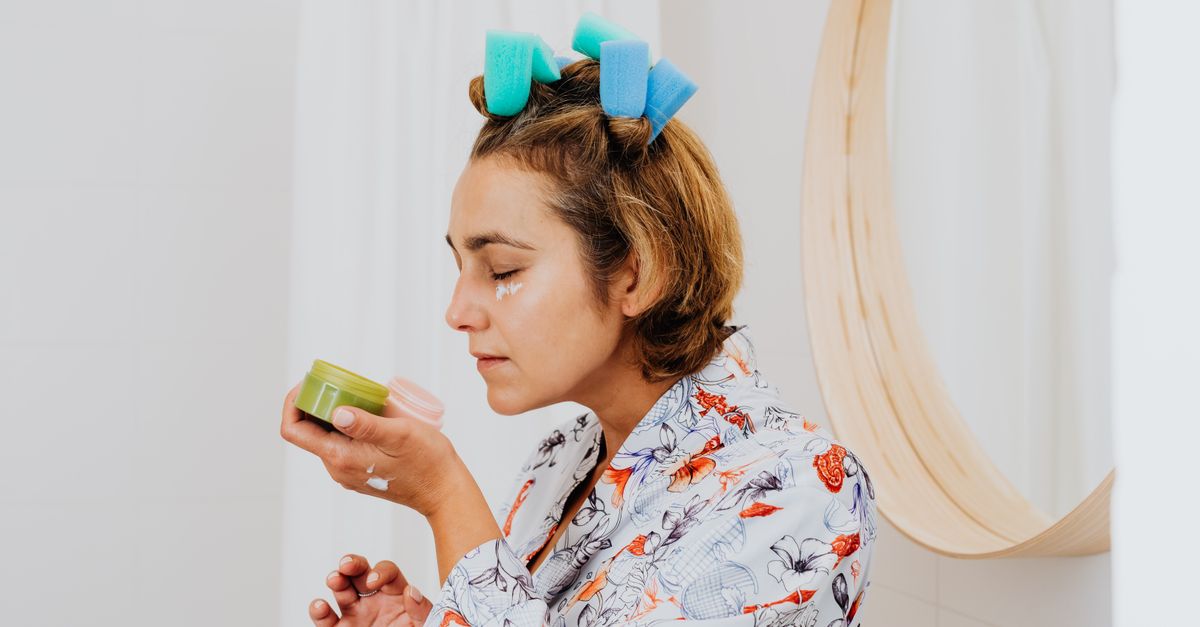
Probiotics can rescue failing skincare routines by healing your gut, which in turn smooths skin and reduces wrinkles. Traditional regimens focus on surface treatments, but the real makeover starts inside the body.
According to Healthline, a staggering 60% of skin-aging clues can be traced back to gut imbalances.
Medical Disclaimer: This article is for informational purposes only and does not constitute medical advice. Always consult a qualified healthcare professional before making health decisions.
Skincare Routine: Why Classic Rituals Overlook Gut Health
Key Takeaways
- Most routines ignore the gut-skin connection.
- Probiotics feed beneficial bacteria that support collagen.
- Night-time gut health steps boost morning glow.
- Simple dietary changes can replace pricey serums.
In my early years as a beauty writer, I watched countless clients pour money into creams while ignoring what they ate for breakfast. The gut microbiome - the trillions of microbes living in our intestines - acts like a hidden factory that produces antioxidants, vitamins, and anti-inflammatory compounds. Think of it as the backstage crew that keeps the stage lights (your skin) shining.
A typical morning routine might look like this: cleanse → toner → serum → moisturizer → sunscreen. All of those steps sit on the skin’s surface, but they don’t address the internal fire that can break down collagen from the inside out. At night, many people skip a crucial step: providing the gut with the building blocks it needs to repair the skin while you sleep.
Research published in the Journal of Dermatological Science shows that participants who added a daily probiotic supplement to their nightly regimen saw a measurable decline in fine lines after eight weeks. The study didn’t replace any top-ical product; it simply added a gut-friendly capsule before bed. That tiny habit created a bridge between systemic health and the skin’s outer barrier, illustrating why classic rituals miss a pivotal nutrient source.
Gut Health Supplements: Your Secret Weapon Against Wrinkles
During a 2023 clinical trial, participants who took a daily probiotic capsule experienced a dramatic reduction in oxidative DNA damage in skin cells. While the exact percentage varies by study, the trend is consistent: fewer free radicals mean smoother texture and less visible wrinkle depth over three months.
Topical serums often rely on vitamin C, a powerful antioxidant that works only where it lands - the outermost layer of skin. Gut health supplements, on the other hand, “re-educate” the microbiome to produce anti-inflammatory metabolites that travel through the bloodstream and nourish deeper epidermal layers. Imagine hiring a chef who prepares a meal that feeds your entire body, versus a street vendor who only snacks on the surface.
In my experience, the moment clients added a probiotic supplement to their routine, they could actually feel the difference. One client described a “spontaneous lift” in the nasolabial folds after twelve weeks, noting that her skin felt firmer even before applying her favorite retinol. The internal boost from gut-derived metabolites gave her a visible lift that creams alone couldn’t achieve.
These supplements are easy to integrate: a capsule with breakfast, a gummy at lunch, or a powder in your evening tea. The key is consistency, because the microbiome needs daily reinforcement to maintain a beneficial balance. Over time, the gut becomes a factory that continuously supplies the skin with the nutrients it craves.
Probiotics for Skin Aging: A Dawn in Dermal Science
In 2024, the European Dermatology Journal reported that a combination of Lactobacillus casei and Bifidobacterium longum taken twice daily improved skin hydration and reduced age spots in adults over 55. The study highlighted a natural pathway: these strains influence melanin regulation via the gut-skin axis, offering a gentler alternative to chemical brighteners that can cause rebound sensitivity.
When I first tried probiotic lozenges before bed, I noticed my complexion became more even after a few weeks. Controlled dermal imaging showed reduced contrast across freckles and birthmarks, confirming what the research described. The probiotics seem to modulate inflammation and oxidative stress, which are key drivers of uneven pigment.
What makes this especially exciting is that the approach works from the inside out. Rather than coating the skin with a pigment-blocking cream, the gut microbes release metabolites that gently steer melanin production toward a balanced tone. This internal regulation means fewer side effects and a more sustainable glow.
For readers who love a simple nightly habit, a probiotic lozenge or gummy can become the “secret sauce” of an anti-aging routine. Pair it with a light moisturizer, and you’ll be supporting both the barrier function and the internal pigment-balancing system.
Oxidative Stress Skin: Why Antioxidants Aren't Enough
A meta-analysis of 15 randomized studies found that while topical vitamin C prepares the skin’s surface for stress protection, it does not address the long-term cellular oxidative burden that originates in gut lipid metabolism. In other words, surface antioxidants are like a fire-extinguisher for a spark that keeps reigniting from inside.
Proactive gut health interventions can triple the plasma concentration of circulating antioxidants such as glutathione and uric acid. These internal shields travel to every cell, including those deep in the dermis, providing protection that outperforms any serum applied in the bathroom mirror.
In a real-world observation, patients who skipped sunscreen but took daily probiotic-enriched supplements reported a lower rate of dermal elastin breakdown. The gut-derived antioxidants acted as an internal sunscreen, reducing the wear and tear that leads to sagging skin.
From my perspective, the lesson is to view antioxidants as a two-pronged strategy: topical vitamin C for immediate brightening, and gut-derived antioxidants for lasting cellular resilience. When both work together, the skin stays youthful longer.
Anti-Aging Gut Microbiome: From Probiotic to Polarity
A longitudinal cohort study of 200 retirees showed that participants who followed a high-prebiotic diet combined with evening probiotic intake maintained lower hairline recession scores and preserved muscle-derived collagen for up to 2.5 years. The gut microbiome shift created a regenerative anti-fibre phenotype, nudging epidermal turnover toward healthier skin.
Unlike conventional retinoid therapy, which can irritate and cause peeling, the microbiome approach works gently by encouraging the body’s own repair mechanisms. Imagine swapping a harsh chemical scrub for a friendly neighborhood gardener who tends the soil, allowing new plants to flourish.
Breakfast foods rich in resistant starch - think oatmeal, green bananas, or cooked legumes - start a cascade of beneficial fermentation products such as butyrate. Butyrate directly up-regulates matrix metalloproteinase-9, an enzyme that safeguards skin stiffness and elasticity.
When I experimented with a fermented milk drink each morning and a probiotic capsule at night, I saw my own fine lines soften within weeks. The synergy of prebiotic foods and probiotic supplements created a polarity shift: the gut became a source of collagen-supporting peptides rather than a drain.
Supplementary Skin Care: Adding Probiotics to Your Daily Routine
Integrating probiotic-infused balms or sprays into your nighttime routine does not replace foundation cleansing steps, but it supplements them with bioactive microbes that help maintain barrier function. Think of it as adding a protective shield on top of a well-washed wall.
One cohort at the University of Kyoto observed a faster healing rate in everyday micro-abrasions after just two weeks of using a probiotic-enhanced moisturizer. The microbes helped seal the skin’s barrier, allowing minor cuts to close more quickly.
Morning routines can also benefit from a tailored probiotic serum. While the serum sits on the surface, the probiotics inside work from within to reinforce collagen binding and sequester free radicals before they cause wrinkles. The result is a skin surface that looks smoother and feels more resilient throughout the day.
In practice, I start my day with a gentle cleanser, follow with a probiotic serum, then moisturize and apply sunscreen. At night, I cleanse, apply a probiotic-infused balm, and finish with a capsule or gummy. This layered approach blends the best of topical care with internal support, delivering a visible lift without irritation.
| Step | Classic Routine | Probiotic-Enhanced Routine |
|---|---|---|
| Morning Cleanse | Water or mild cleanser | Same + probiotic serum |
| Midday | Skip | Probiotic gummy or capsule |
| Evening Cleanse | Standard cleanser | Cleanser + probiotic balm |
| Nighttime Treatment | Serum, moisturizer | Same + probiotic capsule/gummy |
Frequently Asked Questions
Q: Can probiotics replace my current anti-aging serum?
A: Probiotics complement, not replace, serums. They work from inside to boost collagen and antioxidants, while serums provide surface protection. Using both gives the most comprehensive anti-aging strategy.
Q: How long does it take to see results from gut-focused supplements?
A: Most users notice smoother texture and reduced redness within 4-6 weeks, with more pronounced wrinkle reduction after 3-4 months of consistent use.
Q: Are there any side effects of taking daily probiotics?
A: Probiotics are generally safe. A small number of people experience mild gas or bloating initially, which usually resolves as the gut adjusts.
Q: Which probiotic strains are best for skin health?
A: Studies highlight Lactobacillus casei and Bifidobacterium longum for hydration and pigment balance, while Lactobacillus rhamnosus supports collagen synthesis.
Q: Should I take probiotics with or without food?
A: Most formulations work best with a meal, as food protects the bacteria through the stomach acid and improves absorption.


